
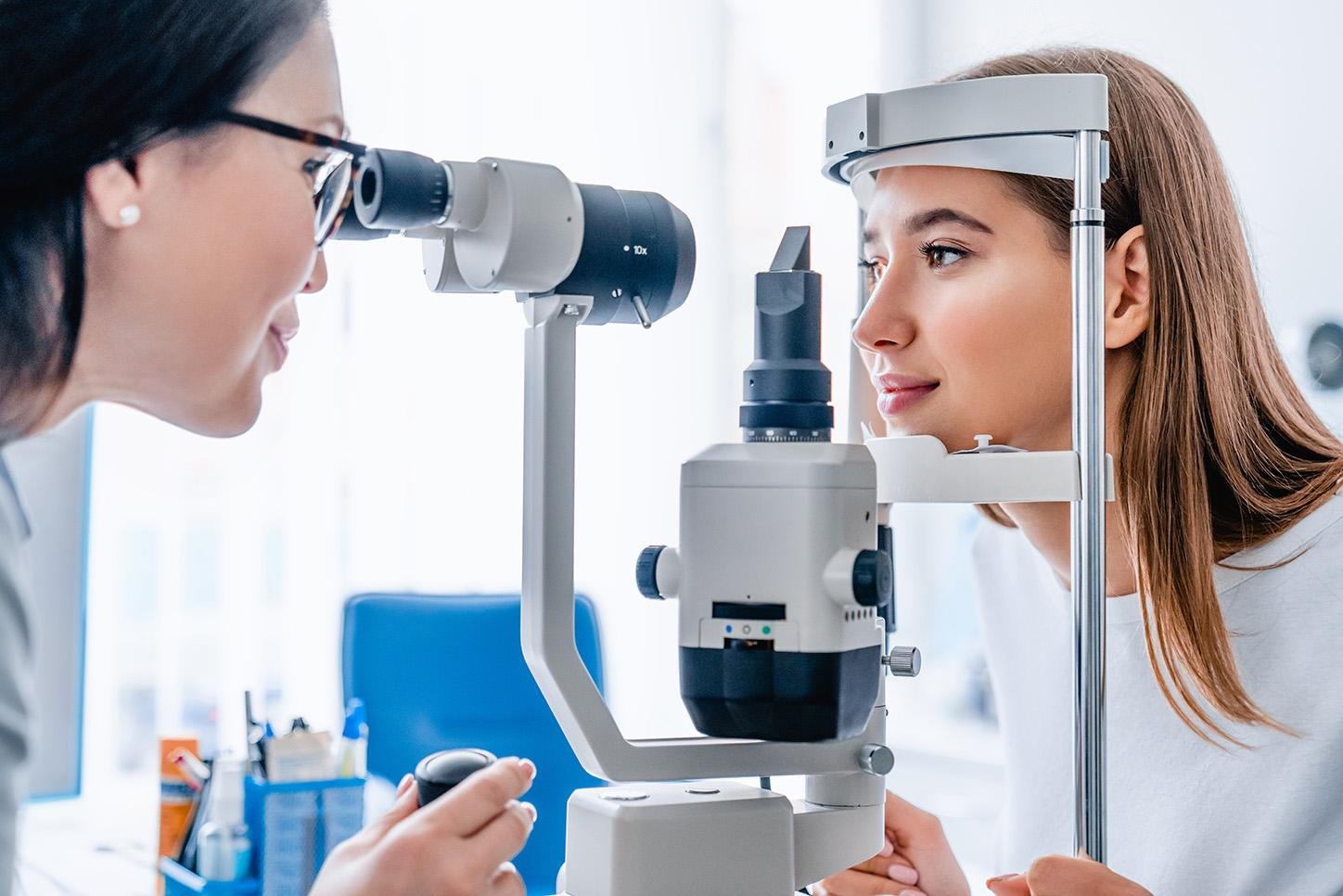
Vision problems are not always limited to the eyes. In many cases, the root cause lies in the brain, optic nerves, or nervous system. This is where a neuro-ophthalmologist plays an important role. These specialists diagnose and manage vision disorders linked to neurological conditions affecting eye movement, visual processing, and nerve function.
Understanding the early warning signs can help you seek timely care and prevent serious complications.
What Is a Neuro Ophthalmologist?
A neuro-ophthalmologist is a medical specialist trained in both neurology and ophthalmology. They treat visual issues that arise due to problems in the brain, optic nerve, or nervous system rather than the eye itself.
These experts commonly handle conditions such as optic nerve disorders, visual field loss, and eye movement abnormalities caused by neurological diseases.
Key Symptoms That Indicate You May Need a Neuro Ophthalmologist
Recognizing symptoms early can make a significant difference in diagnosis and treatment outcomes.
1. Sudden Vision Loss
A sudden loss of vision in one or both eyes is one of the most critical warning signs. It may occur due to conditions such as optic neuritis, stroke, or nerve damage.
- Vision may appear dim, blurred, or completely lost
- Can happen within minutes or hours
- Commonly painless but sometimes associated with eye discomfort
Sudden visual changes should never be ignored, as they may indicate serious neurological conditions.
2. Double Vision (Diplopia)
Seeing two images instead of one can indicate problems with eye muscle coordination or nerve control.
- Persistent double vision is a major red flag
- May worsen when looking in certain directions
- Can affect balance and depth perception
Double vision usually points to neurological causes rather than simple refractive errors.
3. Persistent or Progressive Vision Loss
A gradual decline in vision over time may suggest underlying nerve or brain-related conditions.
- Difficulty reading or recognizing faces
- Increasing need for stronger prescriptions
- Loss of color vision or contrast
Conditions like optic nerve damage or brain-related disorders may cause progressive vision changes.
4. Severe Headaches with Visual Disturbances
Headaches accompanied by visual symptoms can indicate neurological involvement.
- Blurred or double vision during headaches
- Seeing flashes, spots, or blind areas
- Sensitivity to light
These symptoms may be linked to migraines, increased intracranial pressure, or other neurological issues.
5. Visual Field Defects (Loss of Peripheral Vision)
If you notice missing areas in your vision or difficulty seeing objects on one side, it may indicate a neurological problem.
- Bumping into objects
- Difficulty driving or navigating
- Missing parts of images
Visual field loss is usually associated with brain or optic nerve conditions and requires specialized evaluation.
6. Abnormal Eye Movements
Uncontrolled or unusual eye movements can be a sign of nerve dysfunction.
- Jerky or shaky eye movements
- Difficulty focusing on objects
- Eyes not moving together properly
These symptoms may indicate disorders affecting the brain or cranial nerves.
7. Unequal Pupil Size (Anisocoria)
A sudden change in pupil size or unequal pupils can signal serious neurological issues.
- One pupil larger than the other
- Associated with blurred vision or headache
- May indicate nerve damage or brain injury
Immediate evaluation is recommended in such cases.
8. Eye Pain with Movement
Pain when moving the eyes is not normal and may indicate inflammation of the optic nerve.
- Sharp pain behind the eye
- Worse with eye movement
- Commonly linked to optic neuritis
This symptom requires prompt medical attention to prevent vision loss.
9. Drooping Eyelids or Facial Weakness
Drooping eyelids (ptosis) or weakness on one side of the face may suggest nerve-related disorders.
- Difficulty keeping eyes open
- Uneven facial expressions
- May worsen with fatigue
These signs can be associated with neuromuscular conditions like myasthenia gravis.
When Should You Seek Medical Help?
You should consult a specialist if:
- Symptoms appear suddenly or worsen rapidly
- Vision problems are unexplained
- Standard eye treatments are not effective
If you are in cities like Chandigarh and experiencing these symptoms, consulting the best neuro ophthalmologist in Chandigarh can help ensure accurate diagnosis and timely treatment.
Common Conditions Diagnosed by Neuro Ophthalmologists
Neuro-ophthalmologists evaluate and treat a wide range of conditions, including:
- Optic neuritis
- Papilledema (optic nerve swelling)
- Brain tumors affecting vision
- Stroke-related vision problems
- Multiple sclerosis-related vision issues
These conditions usually require a combination of eye exams and neurological testing for accurate diagnosis.
Importance of Early Diagnosis
Early detection of neuro-ophthalmic conditions can:
- Prevent permanent vision loss
- Identify life-threatening neurological disorders
- Improve treatment outcomes
Because many symptoms overlap with common eye problems, a detailed evaluation is essential when symptoms persist or worsen.
Frequently Asked Questions (FAQs)
1. What is the difference between an ophthalmologist and a neuro-ophthalmologist?
An ophthalmologist treats general eye conditions, while a neuro-ophthalmologist focuses on vision problems related to the brain and nervous system.
2. Can neurological problems affect eyesight?
Yes, conditions affecting the brain, optic nerve, or nerves controlling eye movement can significantly impact vision.
3. Is double vision always serious?
Not always, but persistent or unexplained double vision should be evaluated as it may indicate neurological issues.
4. What tests does a neuro ophthalmologist perform?
They may use visual field tests, imaging scans (MRI/CT), and specialized eye exams to diagnose underlying conditions.
5. Can neuro-ophthalmic conditions be treated?
Many conditions can be managed or treated effectively, especially with early diagnosis.
6. Are headaches related to eye problems?
Sometimes, headaches with visual symptoms may indicate neurological issues rather than simple eye strain.
7. When should I see a specialist urgently?
Seek immediate care if you experience sudden vision loss, severe headaches with vision changes, or unequal pupils.
Conclusion
Vision is closely connected to the brain and nervous system, and not all eye problems originate in the eyes themselves. Symptoms like sudden vision loss, double vision, persistent headaches, or abnormal eye movements may indicate deeper neurological issues.
Recognizing these warning signs early and seeking expert care can help protect both your vision and overall health.