
Hey, fellow raiders! If you’ve ever wiped on a boss because someone missed that crucial interrupt or the cooldowns got all tangled, you know it’s rarely one “bad apple” tanking the night. As a grizzled WoW vet who’s led PUGs through Legion’s nightmare mechanics and Shadowlands’ covenant chaos, I’ve seen it all: Most flops come from predictable slip-ups like late defensives, fuzzy assignments, or just info overload turning your screen into a disco. Top groups don’t wing it—they build a lean tech stack that makes mistakes harder to make twice. In this guide, I’ll break it down gamer-to-gamer: Tools that actually prevent wipes, setup tips to keep your UI clean (no flashing nightmare walls), and ways to turn “what happened?” into quick fixes for the next pull. Let’s turn those frustrating nights into smooth clears—because who has time for endless resets?
The Golden Rule: Cut the Clutter, Boost Your Calls
Look, bad raid setups flop for the same reason wonky comps do: Too many “cool” bells and whistles drowning out the basics. Your tech stack should nail three big wins:
- Spot raid-killing events early with clear warnings.
- Sync assignments and cooldowns like a well-oiled machine.
- Bounce back from wipes fast, making the next pull sharper.
If an addon or WeakAura doesn’t hit one of these, it’s probably just screen junk slowing you down. I’ve learned this the hard way—overloaded UIs led to more wipes than undergeared toons ever did. Speaking of gearing up quick, if you’re jumping into fresh content, a solid WoW raid boost can get you those key pieces without the solo grind, letting you focus on mastering your stack.
Boss Mod Basics: DBM or BigWigs—They’re Your Foundation, Not the Whole Plan
Boss mods are raid 101—they’re the baseline, not the boss-slaying secret sauce. Whether your crew swears by Deadly Boss Mods (DBM) or BigWigs, the goal’s the same: Alarms that actually change how you play, not just spam your chat.
Here’s my go-to setup from countless runs:
- Turn off pings for obvious stuff—save alerts for the sneaky killers.
- Crank up reminders for “invisible” threats like targeted debuffs, soak spots, or overlap timers that love to wipe groups.
- Sync the mod across your raid—same family means everyone’s hearing the same callouts, no confusion mid-fight.
In practice, these mods handle “what’s next?” like pros, but they won’t tell your team “how to handle it.” That’s where the rest of your stack shines. And if you’re prepping for tougher tiers, snagging a WoW raid carry can help you practice these mods in real clears without the learning curve wipe-fests.
WeakAuras Done Right: Less Is More for Maximum Punch
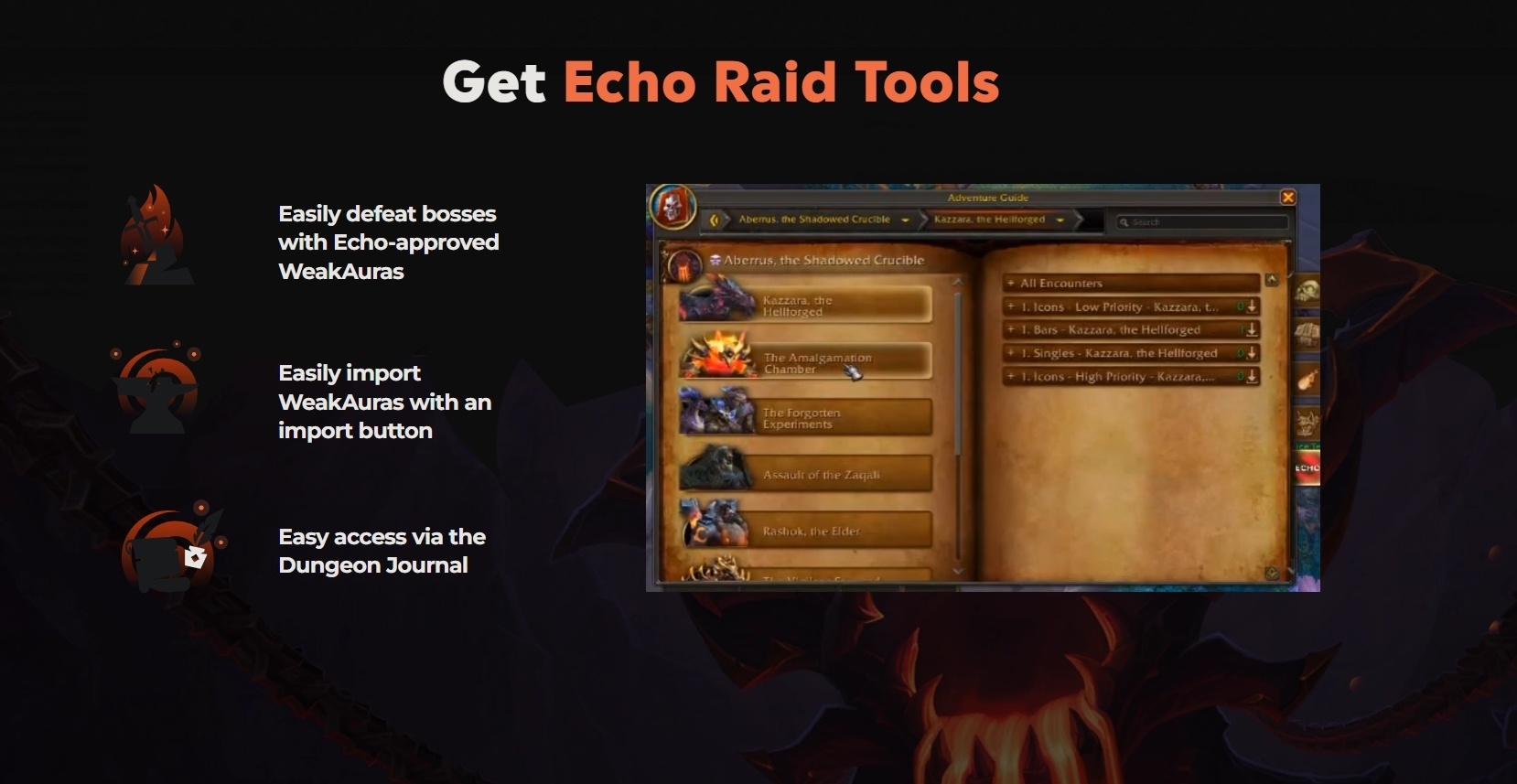
WeakAuras are a beast—they’re customizable AF, perfect for tailoring to your raid’s pain points, but they’re also the fastest way to turn your screen into info overload city. The killer ones? Those that do one job flawlessly:
- Slam you with unmissable debuff alerts, complete with a “YOU do this NOW” vibe.
- Track personal defensives tied to repeating boss phases.
- Drop role-specific nudges like interrupt rotations, dispel queues, or soak counters.
This is where groups level up quietly: Not by slapping on a mega-pack per boss, but adding one or two auras that nuke the exact screw-up from the last wipe. I’ve pulled auras from Wago, trimmed ’em down to essentials, and watched wipe rates plummet—small set that’s crystal clear beats a bloated one ignored halfway through prog.
Pro tip from my UI-tinkering days: You can build ’em from scratch with basic code or drag-and-drop in the addon menu. Super flexible for personal tweaks, like highlighting your cooldowns during those mythic pulls. If mythic’s your jam but time’s tight, a WoW Mythic raid boost or WoW Heroic raid boost gets you into those high-stakes runs geared and ready to test your auras live.
Assignments and Raid Notes: The Glue That Kills “Reset Wipes”
Even PUG chaos calms down when assignments stick between pulls—tools like Method Raid Tools (MRT), Angry Assignments, or simple Discord pins are low-key MVPs more folks overlook.
Smart use cuts two wipe culprits:
- Folks guessing positions because the plan wasn’t repeated.
- Cooldown clashes since no one “owns” key moments.
For time-strapped gamers like us, this structure’s a lifesaver: Solid assignments, quick notes, and a raid lead dropping one-line fixes post-wipe turn “lucky” nights into steady prog. It’s why some opt for a WoW raid carry—it’s about buying consistency and time, not skipping the learn. Heck, I’ve used ’em to hop into buy WoW raid carry groups and still feel prepped with my notes.
Track Smarter, Not Harder: Performance Tools Without the Drama
Damage meters aren’t trash, but “who topped DPS?” rarely saves a raid. Wipe-preventers focus on:
- Interrupts and stops on must-kick casts.
- Defensive pops during predictable bursts.
- Avoidable damage patterns (especially repeats).
- Death recaps zeroing in on causes, not just counts.
Details! gives real-time peeks, but the real power’s in reviews—Warcraft Logs’ timelines let leads spot “what changed between that near-kill and the flop?” Pick one failure per review, fix it—boom, productive prog without ego trips.
If you’re raiding cross-realm or in PUGs, this stack turns random WoW raid runs into reliable clears. And for those eyeing pro-level logs without the guild grind, checking out buy WoW raid options can net you those mythic parses fast.
Discord and “Raid Ops”: The Behind-the-Scenes Stack That Saves Time
Raids bleed time not on bosses, but downtime: Fuzzy invites, hidden pull timers, endless “what’s the plan?” chats. A basic Discord setup nukes that:
- One voice channel with “short and sweet” calls only.
- Pinned assignments and positions (or in-raid notes).
- Standard pull routine: Ready check, timer, go.
- Bots like Raid-Helper for scheduling structured groups.
This ain’t corporate BS—it’s about making nights predictable so you raid more, wait less. I’ve run PUGs this way and turned wipe marathons into smooth sails. For busier nights, WoW raid boosting services handle the heavy lifting, letting you plug in your ops for max efficiency.
Role-Specific Wipe Busters: Tailor Your Toolkit to What You Do
Every role’s got unique “gotcha” signals—tune your stack accordingly.
Tanks: Own the Frontline
- Rock-solid swap timers and debuff trackers.
- Marker macros for quick spots.
- External cooldown pings to sync saves.
Healers: Keep the Flow Going
- Shared CD plans (even basic spreadsheets work).
- Raid-wide defensive highlights.
- Dispel priority pop-ups.
DPS: Nail the Details
- Priority cast kick reminders.
- Personal defensive warnings on overlaps.
- “Don’t miss this” debuff trackers.
Aligning like this dials down the “addon overload” feel and amps the “fewer oops” wins. It’s how my groups have tackled everything from normal farms to mythic prog without burning out.
Prepping for Midnight’s Raid Gauntlet: Epic Bosses and How Your Tech Stack Will Shine
As we gear up for Midnight’s launch, Season 1 drops three raids with nine bosses total, blending epic lore with fresh challenges that’ll test your UI setup like never before. Voidspire and Dreamrift hit right at season start, with March on Quel’Danas following weeks later—tied together by story quests for that immersive Worldsoul Saga feel.
The Voidspire: Xal’atath’s Void Stronghold Assault
Nestled in Voidstorm’s chaos, this 6-boss beast is Xal’atath’s lair, where you’ll battle twisted guardians and corrupted forces to stop her Void incursion. Bosses include:
- Imperator Averzian: Relentless annihilator rending veils between worlds.
- Vorasius: Massive Voidstorm predator feasting on battlefields.
- Fallen-King Salhadaar: Tortured Shadowguard captive, Void-infused and delirious.
- Vaelgor & Ezzorak: Bonded red dragons twisted by Xal’atath.
- Lightblinded Vanguard (feat. War Chaplain Senn): Zealot paragons of Light turned fanatic.
- Crown of the Cosmos (with Alleria Windrunner): Climactic showdown atop the spire, involving Turalyon and Arator against Xal’atath’s army.
Theme’s all Void betrayal and corrupted alliances—expect mechanics like breaches, hunger feasts, and faith perversions. Drops ilvl 219 gear like shields, maces, and trinkets (e.g., Volatile Void Suffuser). Your boss mods and WeakAuras will be clutch for tracking those infinite host waves and defensive overlaps.
The Dreamrift: Hunt the Undreamt Nightmare
A single-boss thriller where primordial dreams bleed into reality—join the Shul’ka in stalking an undreamt god amid half-birthed abominations. Solo foe:
- Chimaerus the Undreamt God: Agony-raged monster gorged on rift chaos, born from Aln’hara’s stolen Cradle.
Mechanics tease pain, madness, and lashing horrors—perfect for personal defensive auras. Loot includes staves like Alnscorned Spire and trinkets like Undreamt God’s Oozing Vestige, plus housing décor. Quick, intense—ideal for testing your review tools post-wipe.
March on Quel’Danas: Sunwell Climax March
Elven armies unite in this 2-boss push to the Sunwell Plateau, climaxing the story amid Void fallout. Bosses:
- Belo’ren, Child of Al’ar: Void-irradiated phoenix hatchling fiercely guarding the isle.
- Midnight Falls (L’ura): Fallen Light creature from Argus, essence siphoned by Alleria—now a dark Sunwell threat.
Lore ties into phoenix protection and ancient falls—mechanics hint at defensive stands against invaders. Drops daggers like Belo’melorn and plate like Emberborn Grasps. Assignments tools will shine here for coordinating that united march.
These raids ramp up the saga’s stakes—your stack’s gonna make or break those Void-tainted pulls. If prog’s slow, a buy WoW raid carry gets you in without the wait.
Your “Minimum Viable” Raid Toolkit: 80% Wins With Minimal Fuss
To keep it real for most of us, here’s the baseline that delivers big without overwhelming:
- DBM or BigWigs tuned for low spam.
- Curated WeakAuras per boss, targeting top wipe causes.
- One assignment method—MRT, Angry, or Discord pins.
- Review habit via meters: Deaths over DPS.
This turns PUG mess into consistent clears—repeatable prog’s the name of the game.
Final Boss: Tools Save Time, Not Skill—But They Sure Help
At the end of the day, a solid raid tech stack’s your time shield: Fewer errors, shorter “what now?” chats, more focus on the plays that matter. With a tidy UI, locked-in assignments, and quick reviews, you’ll waste fewer pulls and end more nights with phat loot instead of salt. Whether you’re PUG-hopping or guild-progging, build this out and watch your raids level up. See you in the fray—let’s make those bosses pay!