Enabling Real-Time Data Synchronization
Think of an ATAK Server as the central hub for your team’s tactical information. It’s what keeps everyone on the same page, all the time. Without it, devices might only talk to each other directly, which gets messy fast. The server makes sure that when one person updates their location or shares a piece of intel, everyone else sees it almost instantly. This real-time data synchronization is key for keeping operations fluid.
This constant flow of information means no one is working with outdated maps or intel. It’s the backbone of a shared operational picture. The ATAK Server handles the heavy lifting of distributing updates, making sure that the data you see is the data everyone else sees, right now. This is a big step up from older methods where information could lag or get lost.
It’s not just about seeing where your teammates are. It’s about seeing the whole picture as it develops. This includes shared points of interest, routes, and even sensor data. The ATAK Server makes this possible by managing the communication channels and ensuring that all connected devices are receiving the same, up-to-date information.
Facilitating Secure Information Exchange
When you’re dealing with sensitive operations, security isn’t just a nice-to-have; it’s a must. An ATAK Server plays a big role in making sure that the information shared stays between your team. It acts as a gatekeeper, managing who can access what and how data is transmitted. This is way more reliable than just hoping a direct connection is secure.
This secure information exchange is built into the system. The server helps manage user authentication and data encryption, so you can be more confident that your tactical data isn’t falling into the wrong hands. It’s about creating a trusted environment for communication, even when you’re operating in challenging conditions or over less secure networks.
The server provides a controlled environment for data flow, reducing the risks associated with ad-hoc communication methods. It’s designed to handle sensitive information with the necessary safeguards.
This focus on security means teams can share critical updates, like enemy positions or medical status, without undue worry. The ATAK Server is designed to support these secure communications, making it a reliable component for any operation where information security is paramount.
Supporting Scalable Deployments
Whether your team is small or growing into a larger force, the ATAK Server is built to keep up. It’s not just for a handful of users; it can handle many devices and a lot of data at once. This scalability means that as your needs change, your communication system can grow with you without a major overhaul.
This ability to scale is important for different types of missions. A small patrol might use it one way, while a multi-agency response could require a much larger setup. The ATAK Server architecture is designed to accommodate these varying demands, providing a consistent experience whether you have ten users or a hundred.
- Handles increased user load
- Manages larger volumes of data
- Adapts to changing team sizes
This flexibility means that the investment in an ATAK Server can support your team’s tactical needs for the long haul. It’s a system that can grow and adapt, making it a practical choice for organizations that anticipate future expansion or changing operational requirements.
The Role of the ATAK Server in Tactical Operations
Creating a Common Operational Picture
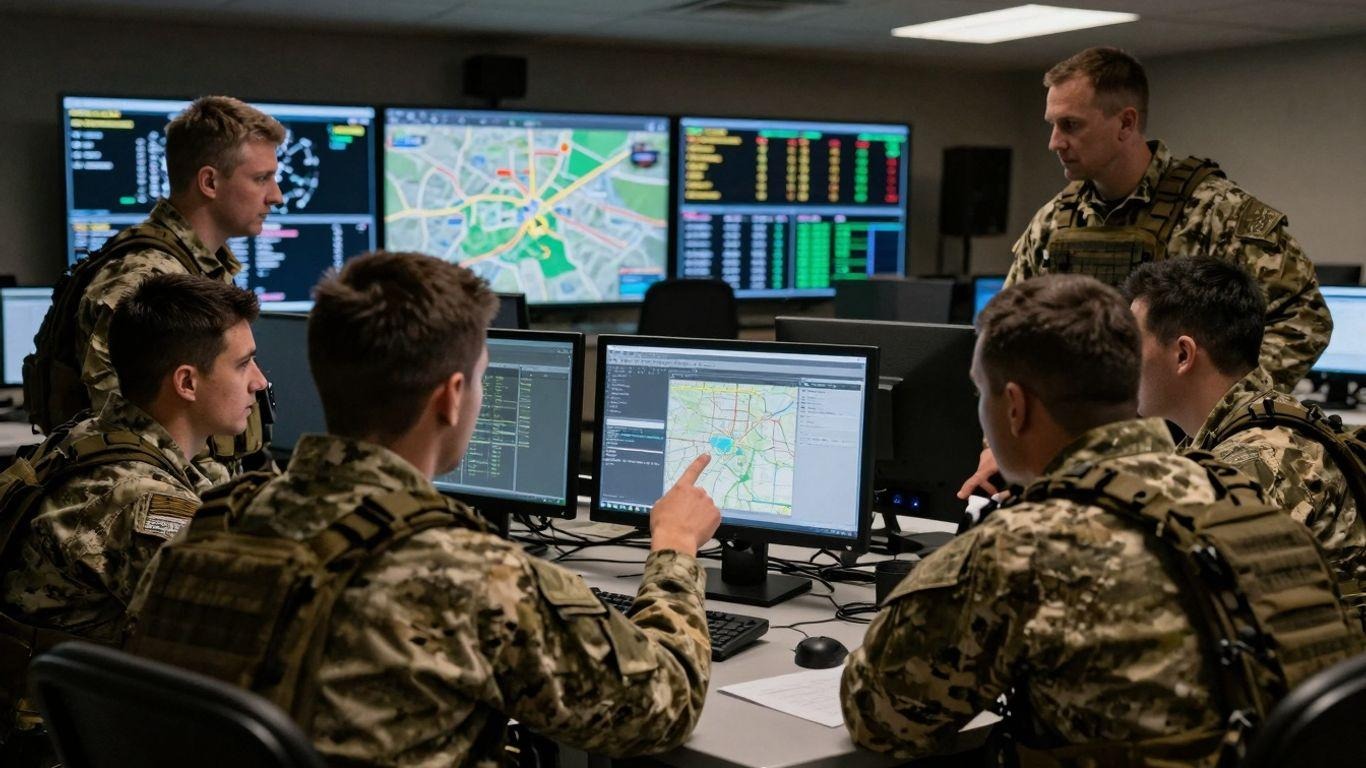
Imagine a situation where every team member sees the same map, the same friendly positions, and the same threats in real-time. That’s the power of a Common Operational Picture (COP), and the ATAK Server is key to making it happen. It pulls together all the data from individual devices and presents it in a unified view. This means everyone, from the commander in the back to the operative on the ground, has the same understanding of what’s going on. Without a central point like the ATAK Server, maintaining a consistent COP across a team becomes incredibly difficult, leading to confusion and delays. The ATAK Server makes sure that this shared view is accurate and up-to-date.
Enhancing Situational Awareness
Situational awareness is more than just knowing where you are; it’s understanding the entire environment around you. The ATAK Server significantly boosts this by providing a dynamic, real-time display of friendly forces, enemy positions (if known), and critical points of interest. This constant flow of information allows operators to make better, faster decisions. For instance, if a team member is moving into a potentially dangerous area, others can see this and react accordingly. This improved situational awareness, driven by the ATAK Server, directly translates to safer and more effective operations.
Improving Team Coordination and Collaboration
Effective teamwork relies on clear communication and coordination. The ATAK Server acts as the backbone for this, allowing team members to share their locations, send messages, and even exchange data like photos or videos. This capability is vital for coordinating movements, assigning tasks, and responding to changing circumstances. When everyone is on the same page, thanks to the information managed by the ATAK Server, collaboration becomes much smoother. It reduces the need for constant radio chatter, freeing up communication channels and allowing teams to operate more efficiently and cohesively.
Key Features Provided by an ATAK Server
An ATAK Server is the backbone for many tactical operations, offering a central point for managing and distributing critical information. It’s not just about sending messages; it’s about creating a reliable system for data.
User and Data Management
Managing who can access what and how data flows is a big part of using ATAK effectively. The server handles user accounts, permissions, and keeps track of all the information shared within the team. This means that sensitive data stays where it needs to be. Proper user and data management prevents unauthorized access and ensures that only relevant personnel see specific mission details. This is a core function of the ATAK Server.
Mission Planning and Replay Capabilities
Before a mission even starts, the ATAK Server plays a role. It allows teams to plan routes, mark objectives, and share these plans with everyone involved. After the mission, the server can store this data, allowing for playback. This replay feature is incredibly useful for debriefs, training, and understanding what happened during an operation. It helps teams learn from past events.
Integration with Diverse Sensor Feeds
Modern tactical operations often involve various sensors, like drones or cameras. An ATAK Server can pull data from these different sources and display it on the map for everyone to see. This means a team can get a much clearer picture of the area they are operating in. It brings together information from many places into one view, making the overall situational awareness much better. The ATAK Server makes this integration possible.
Why a Dedicated ATAK Server is Crucial
Overcoming Limitations of Peer-to-Peer Communication
While ATAK can function in a peer-to-peer setup, this method has limits. For small teams in controlled environments, it might work. But when you need reliable data sharing across a larger group or in challenging conditions, peer-to-peer just doesn’t cut it. It can lead to dropped connections and missed information, which is a big problem when every second counts. A dedicated ATAK server changes this dynamic.
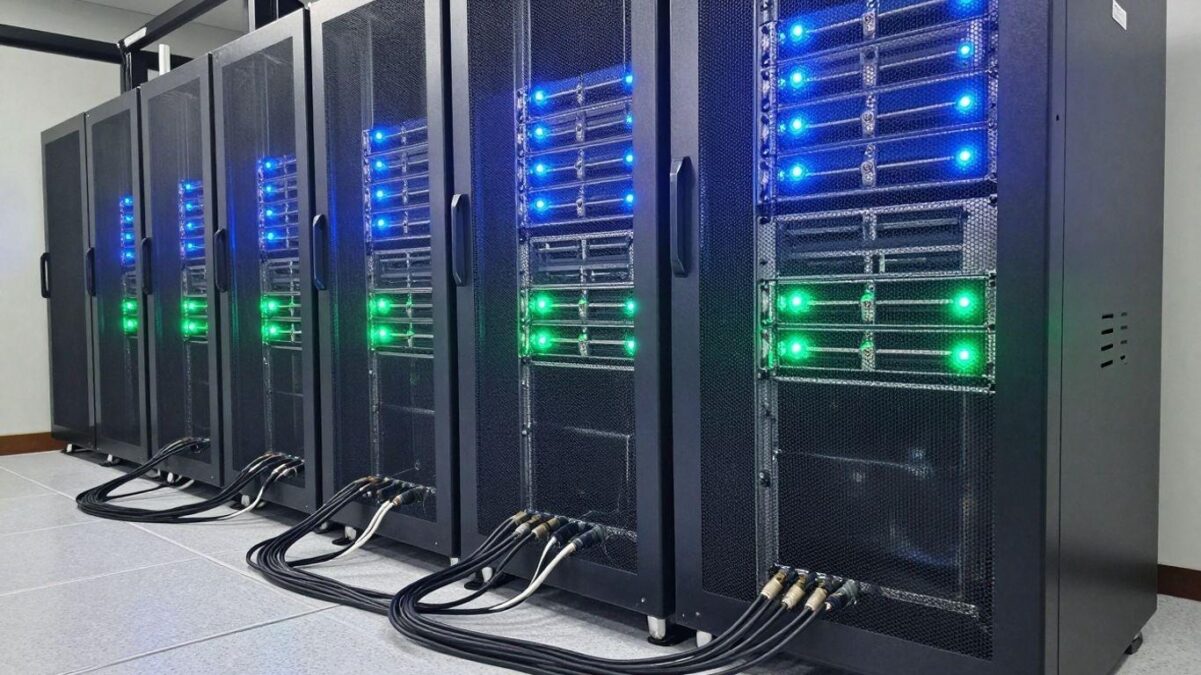
This server acts as a central hub. It manages all the data flow, making sure everyone gets the updates they need, when they need them. Think of it like a traffic controller for your team’s information. Without this central point, communication can become chaotic, especially with many users or in areas with spotty network coverage. The ATAK server provides a stable backbone.
A dedicated ATAK server is essential for robust, large-scale tactical operations. It moves beyond the basic capabilities of peer-to-peer, offering a more dependable way to keep everyone on the same page. This is especially true when dealing with sensitive data or complex mission requirements where consistent communication is non-negotiable.
Ensuring Data Integrity and Reliability
When teams rely solely on peer-to-peer connections, data integrity can suffer. Information might get lost, corrupted, or arrive out of order. This is a serious risk in tactical situations where accurate data is critical for decision-making. A dedicated ATAK server addresses this by providing a controlled environment for data management.
The server ensures that all data is logged, synchronized, and distributed correctly. It acts as a single source of truth, reducing the chances of conflicting information among team members. This reliability is key for maintaining a clear common operational picture (COP) and making informed choices under pressure. The ATAK server is built for this.
The server’s architecture is designed to maintain data consistency, even when network conditions are less than ideal. This makes it a far more dependable option than relying on individual device connections.
Unlocking Advanced Features for Command and Control
Beyond just basic communication, a dedicated ATAK server opens the door to advanced functionalities vital for command and control. Features like sophisticated user management, detailed mission planning tools, and the ability to integrate various sensor feeds become much more manageable and powerful with a server.
These advanced capabilities allow for better oversight and management of operations. Commanders can track team movements, manage access permissions, and analyze mission data more effectively. The server infrastructure supports these complex tasks, providing a level of control that peer-to-peer simply cannot match. It’s about having the right tools for the job.
- Centralized user authentication and authorization
- Advanced mission planning and rehearsal tools
- Streamlined integration of external data sources
Implementing a dedicated ATAK server transforms how tactical teams operate, moving from basic information sharing to a fully integrated command and control system.
Deployment Options for Your ATAK Server
Hosted Server Solutions
When you need a TAK Server up and running quickly without the hassle of managing hardware, a hosted solution is the way to go. These services provide a ready-made TAK Server environment, often managed by a third-party provider. This means less worry about infrastructure and more focus on operations. It’s a good choice for teams that want to get started fast or don’t have the internal resources to manage their own servers.
These solutions are designed for flexibility and rapid deployment. They can be scaled up or down based on your team’s needs, making them suitable for both small pilot programs and larger, ongoing operations. The provider handles the maintenance, updates, and security of the server infrastructure, letting your team concentrate on using the ATAK platform effectively.
Think of it like renting a fully equipped office space instead of building your own. You get all the benefits without the upfront investment and ongoing upkeep. This approach to deploying a TAK Server is becoming increasingly popular for its convenience and cost-effectiveness.
On-Premise and Sovereign Deployments
For organizations that require complete control over their data and infrastructure, on-premise or sovereign deployments of the TAK Server are the preferred option. This involves setting up and managing the TAK Server within your own facilities or a designated secure location. It gives you full command over hardware, software, and network configurations, which is vital for sensitive operations.
Sovereign deployments are particularly important for government agencies and defense units that must adhere to strict data residency and security regulations. By keeping the TAK Server within national borders and under direct organizational control, you can guarantee that sensitive tactical information remains secure and compliant with all relevant laws. This level of control is unmatched by hosted solutions.
This approach demands more internal IT resources and expertise to manage the server’s lifecycle, from installation and configuration to ongoing maintenance and security patching. However, for many tactical teams, the assurance of complete control and data sovereignty provided by an on-premise TAK Server is well worth the investment.
Air-Gapped Configurations for Classified Environments
When dealing with highly classified information, an air-gapped TAK Server configuration is often a necessity. This means the server is physically isolated from any external networks, including the internet and even less secure internal networks. Communication with air-gapped systems happens through highly controlled, secure methods, often involving physical media transfer or dedicated, isolated communication channels.
This extreme security measure prevents any possibility of unauthorized external access or data exfiltration. It’s the gold standard for environments where the compromise of tactical data could have severe consequences. The TAK Server in such a setup operates in a completely self-contained environment, ensuring the utmost protection for sensitive intelligence.
Implementing an air-gapped TAK Server requires meticulous planning and strict operational procedures. It often involves specialized hardware, secure data transfer protocols, and rigorous access controls to maintain the integrity of the isolated network. While complex, this deployment option provides unparalleled security for the most sensitive tactical operations.
Integrating the ATAK Server into Your Ecosystem
Connecting with Communication Bearers
Getting ATAK to work means it needs a way to talk to other devices. This is where communication bearers come in. Think of them as the roads your data travels on. Without a solid connection, your ATAK Server can’t share information, and that defeats the whole purpose. We’re talking about making sure the data gets where it needs to go, reliably.
This isn’t just about having a signal. It’s about having a dependable signal, even when things get tough. We look at different ways to connect, like using radios that create their own networks, or even satellite links. The goal is to build a communication system that supports the ATAK Server and keeps your team connected.
The right communication bearer is key to making your ATAK Server truly useful in the field. It’s the backbone that allows real-time data synchronization and keeps everyone on the same page. Without it, the ATAK Server is just software waiting for a connection.
Tailoring the Server for Specific Mission Sets
An ATAK Server isn’t a one-size-fits-all tool. To get the most out of it, you need to set it up for what your team actually does. Different missions have different needs, and the server should match those. For example, a search and rescue team might need different data overlays and user permissions than a law enforcement unit responding to a large event.
We look at how to configure the server to support these specific tasks. This means setting up user groups, defining what information each group can see and share, and making sure the right tools are available. It’s about making the ATAK Server work for your mission, not the other way around.
Customizing the ATAK Server ensures that the right information gets to the right people at the right time, without unnecessary clutter or complexity. This focused approach improves operational efficiency.
Leveraging Open Architecture for Customization
One of the big advantages of the ATAK Server is its open architecture. This means it’s built in a way that lets you change and add to it. It’s not a closed box; it’s a platform you can build upon. This is super important because tactical needs change, and technology needs to keep up.
Because it’s open, developers can create new tools or integrate existing ones with the ATAK Server. This allows for a lot of flexibility. You can connect it to other systems you already use or develop custom features that are unique to your operations. This adaptability is what makes the ATAK Server a long-term solution.
- Custom Plugins: Add specialized tools for specific tasks.
- API Access: Connect with other software and hardware.
- Data Format Flexibility: Work with various types of information.
This open approach means your ATAK Server can grow and adapt with your team’s evolving requirements.
Wrapping Up: Why ATAK Matters
So, what’s the big deal with ATAK and its server? Basically, it’s a tool that pulls all the important information together into one place. Think of it like a super-smart map that shows where everyone is, what’s going on, and lets people talk to each other easily. For teams working in tough situations, whether that’s police, firefighters, or military, having this clear picture makes a huge difference. It helps them make faster decisions, work together better, and stay safer. While the tech itself is impressive, getting the right training and setting it up properly is key to actually using it well. It’s not just about having the app; it’s about knowing how to use it when it really counts.