
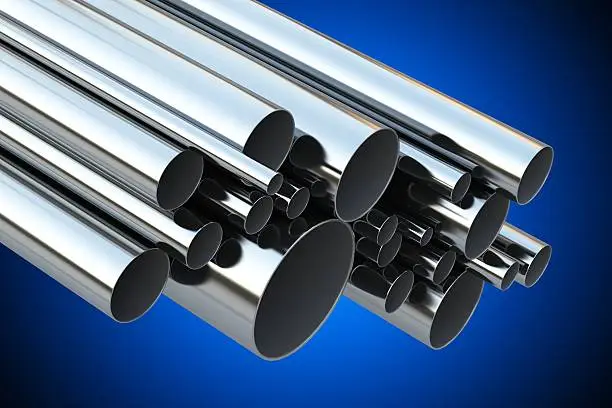
Selecting the right industrial stainless steel pipes is key for any project. These pipes are used in many fields like oil, gas, food processing, and construction. A wrong choice can lead to leaks, corrosion, or high costs. This guide will help you pick the best ones step by step. We will cover what to look for in terms of needs, grades, sizes, quality, suppliers, cost, and care. By the end, you will know how to make a smart decision.
Understand Your Needs
First, think about what you need the pipes for. Ask yourself questions like: What fluid or gas will flow through them? Is it water, chemicals, oil, or something else? Different materials handle different things well.
Next, consider the environment. Will the pipes be inside or outside? In hot places, cold areas, or near the sea? Salt water can cause rust, so you need pipes that resist that. For high pressure, choose stronger ones.
Also, think about the flow rate. How much volume needs to pass through? This affects the size you pick. If it’s for food or drinks, the pipes must be clean and safe for health.
List out all these points. Write down the temperature range, pressure levels, and any special rules from your industry. This step helps avoid mistakes later. For example, in a factory with acids, you need pipes that do not react with those acids.
Take time to talk with your team or experts. They might point out things you missed. Once you have a clear list, you can move to the next part.
Know the Grades of Stainless Steel
Stainless steel comes in different grades. Each grade has its own strengths. The most common ones are 304 and 316.
Grade 304 is basic and works for many uses. It resists rust well in normal settings. It is cheap and easy to find. Use it for pipes in buildings or water systems.
Grade 316 has more molybdenum. This makes it better against corrosion, especially from salts or acids. It is good for marine or chemical plants. It costs more but lasts longer in tough spots.
There are others like 321 or 347 for high heat. If your pipes will face very high temperatures, look at those.
Check the chemical makeup. Stainless steel has iron, chromium, and nickel. Chromium helps prevent rust. More chromium means better protection.
Read the specs from makers. They list what each grade can handle. Pick the one that matches your needs from the first step. Do not pick a fancy grade if you do not need it. That wastes money.
Consider the Pipe Dimensions
Size matters a lot. Pipes have outer diameter, inner diameter, and wall thickness.
Outer diameter is the full width outside. Inner diameter is the space inside for flow. Wall thickness affects strength.
For big flows, choose larger inner diameter. But make sure it fits your system.
Schedules tell the wall thickness. Schedule 40 is common for medium pressure. Schedule 80 is thicker for high pressure.
Length is also key. Standard lengths are 20 feet, but you can get custom ones.
Think about fittings too. Pipes need to connect well with valves or other parts.
Measure your space. Ensure the pipes fit without bends that cause issues.
Use charts from standards to pick sizes. This ensures safety and good performance.
Check for Quality Standards
Quality is crucial. Look for certifications.
ASTM standards are common. They test for strength and makeup.
ISO 9001 means the maker follows good processes.
For pressure pipes, check ASME codes.
Ask for test reports. These show if the pipes passed checks for defects.
Inspect for surface finish. Smooth inside reduces clogs. Outside finish affects looks and rust resistance.
Welded or seamless? Seamless are stronger but cost more. Welded work for many uses if welds are good.
Buy from places that meet these standards. This avoids failures.
Evaluate the Supplier
A good supplier makes a big difference. Look for one with experience in stainless steel pipes.
Check their stock. Do they have what you need in different grades and sizes?
Ask about delivery times. Fast shipping helps your project stay on track.
See customer reviews. Happy buyers mean reliable service.
Price is part of it, but not all. Cheap might mean low quality.
Choose a reliable stainless steel pipe supplier like this one: stainless steel pipe supplier. They offer a range of options and good support.
Talk to them. Ask questions about products. Good ones give clear answers.
Check if they offer custom cuts or treatments.
A solid supplier ensures you get pipes that last.
Think About Cost and Value
Cost includes more than just the price tag. Think long term.
Cheap pipes might fail soon, leading to repairs. That costs more.
Calculate total cost: buy price, install, maintain, and replace.
Higher grade might cost more now but save later.
Look for bulk deals if you need many.
Compare quotes from a few suppliers. But check quality first.
Factor in shipping costs. Heavy pipes add up.
Energy use: Better pipes might reduce leaks, saving power.
Budget wisely. Aim for value, not just low price.
Installation and Maintenance
Once you pick, install right.
Follow maker guides. Wrong install causes problems.
Use right tools and seals.
For welding, hire skilled workers.
After install, check for leaks.
Maintenance keeps them working.
Clean regularly, especially in dirty areas.
Inspect for damage. Fix small issues early.
In corrosive spots, use coatings if needed.
Train staff on care.
Good install and maintenance extend life.
Conclusion
Selecting industrial stainless steel pipes takes thought. Start with your needs, learn grades, pick sizes, check quality, choose a good supplier, weigh costs, and plan care. This way, you get pipes that work well and last. Avoid rush decisions. Research and ask experts. Your project will run smooth with the right choice. If unsure, consult pros for advice. This guide gives you the basics to start.