The automotive industry is on the brink of a major transformation. With technology advancing at a rapid pace, customer expectations evolving, and new regulations shaping the marketplace, automotive marketing is entering a new era. In 2026, the strategies used to promote vehicles and services will look drastically different from what we’ve seen in previous years. To stay competitive, automotive brands will need to leverage the latest trends in marketing, technology, and consumer behavior. In this post, we explore the global trends that are transforming the automotive marketing industry and how brands can adapt to these changes for sustained growth and success.
1. Digital Transformation and the Shift to Online Sales
The digital transformation of the automotive industry has accelerated over the last few years. With the rise of online shopping, automotive brands must embrace new technologies and digital marketing strategies to connect with consumers who increasingly prefer to browse and purchase vehicles online.
The Shift to E-Commerce in Automotive Sales
As consumers become more comfortable purchasing products and services online, the automotive industry is following suit. In 2026, the trend toward e-commerce will become even more prominent, with a majority of car buyers engaging in the buying process through digital channels. Virtual showrooms, digital consultations, and online car purchasing platforms are rapidly gaining traction, and brands must ensure that their websites are optimized for online sales.
An automotive marketing agency can help car brands enhance their digital presence by implementing e-commerce solutions, virtual configurators, and lead generation tools that facilitate online vehicle purchasing.
Integrating Virtual and Augmented Reality
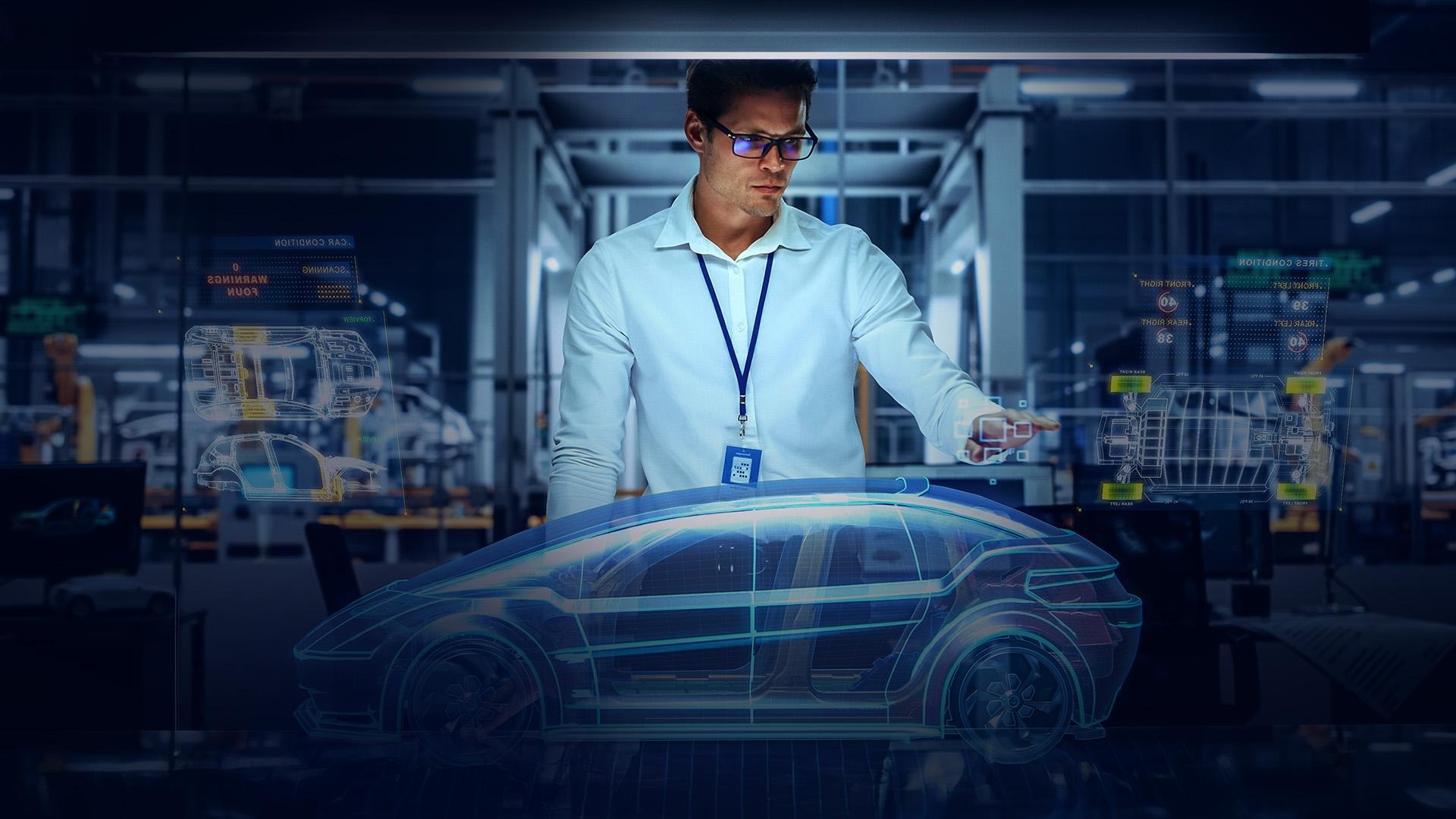
Virtual and augmented reality technologies are transforming the way car buyers interact with products. Virtual showrooms allow customers to explore cars in 3D, take virtual test drives, and customize vehicles without ever setting foot in a dealership. These immersive experiences are expected to be a core component of automotive marketing in 2026.
For automotive brands, working with a digital strategy agency like centric can provide the expertise needed to integrate VR and AR technologies into their marketing campaigns, making them more engaging and interactive for potential buyers.
2. Artificial Intelligence and Data-Driven Marketing
Artificial intelligence (AI) is already reshaping the way businesses understand consumer behavior, and the automotive industry is no exception. In 2026, AI will continue to play a significant role in automotive marketing, driving more personalized and data-driven campaigns.
AI for Personalization
AI technologies enable automotive brands to create highly personalized marketing experiences by analyzing customer data and predicting behavior. By understanding consumer preferences, AI-powered systems can tailor marketing messages, product recommendations, and advertisements to meet the specific needs of individual buyers. This personalization not only enhances the user experience but also increases conversion rates.
Automotive companies working with automotive marketing agency experts can implement AI-driven campaigns that automatically adjust messaging and offers based on customer actions, ensuring a more targeted and effective approach.
Leveraging Big Data for Targeted Campaigns
Data is the backbone of AI marketing. By leveraging big data, automotive brands can gain deeper insights into their customers’ preferences, behaviors, and purchasing patterns. This information allows them to develop targeted campaigns that resonate with potential buyers at every stage of the buyer’s journey.
Using sharepoint intranet consulting services can help automotive companies better manage their internal data and integrate it into their customer relationship management (CRM) systems, ensuring that marketing teams have the right data at their fingertips for more accurate and timely decision-making.
3. Sustainability and Eco-Friendly Messaging
As sustainability becomes a top priority for consumers, the automotive industry must adapt its marketing strategies to highlight eco-friendly features and environmentally conscious practices. From electric vehicles (EVs) to sustainable manufacturing processes, consumers expect brands to take action on environmental issues.
Promoting Electric and Hybrid Vehicles
The demand for electric and hybrid vehicles is expected to rise significantly in 2026, and automotive brands need to incorporate this into their marketing strategies. Highlighting the environmental benefits of EVs, along with the long-term cost savings, can help brands appeal to eco-conscious buyers.
An automotive marketing agency specializing in sustainability can help automotive companies craft messaging that aligns with the growing demand for green vehicles. From promoting EV models to showcasing eco-friendly production processes, sustainable marketing will be a key focus in the future.
Transparency and Greenwashing Concerns
Consumers are increasingly aware of greenwashing, a term used to describe companies that falsely promote themselves as environmentally friendly. To avoid this, automotive brands must be transparent in their sustainability efforts and provide verifiable proof of their green practices.
Building trust through transparency is essential, and working with a b2b marketing agency that understands the importance of credibility in sustainability communications will help ensure that your brand’s efforts are perceived as authentic and responsible.
4. Enhanced Customer Experience Through Omnichannel Marketing
In 2026, automotive brands will continue to adopt omnichannel marketing strategies that integrate both online and offline touchpoints to create a seamless customer experience. The goal is to meet customers where they are, whether that’s on social media, through online ads, or in physical dealerships.
Unified Brand Experience Across Platforms
A key component of omnichannel marketing is providing a consistent brand experience across all touchpoints. From the website to social media profiles to in-person showroom visits, every interaction should reinforce the same messaging, values, and customer service standards.
Working with centric, an agency specializing in integrated digital strategies, can help automotive brands create a cohesive and seamless customer journey, ensuring that their message resonates consistently across all platforms and channels.
Leveraging Social Media for Engagement
Social media platforms like Instagram, Facebook, and TikTok are powerful tools for automotive marketing, especially when targeting younger, digitally-savvy consumers. By creating engaging content that showcases products, events, and promotions, automotive brands can foster meaningful relationships with their audience.
Social media also provides an opportunity for two-way communication, allowing customers to ask questions, share feedback, and engage with the brand in real-time. A well-planned social media strategy is crucial for creating brand loyalty and driving sales.
5. The Role of Influencer Marketing in the Automotive Sector
Influencer marketing continues to be a powerful strategy in many industries, and the automotive sector is no different. In 2026, automotive brands will increasingly turn to influencers to promote their vehicles and services, leveraging their trusted voices to build brand awareness and drive sales.
Identifying the Right Influencers
For automotive brands, choosing the right influencers is critical. Rather than focusing solely on celebrity endorsements, brands should look for influencers who have credibility within the automotive or lifestyle space and whose audience aligns with their target demographic. Automotive influencers who specialize in car reviews, driving experiences, and lifestyle content can help create more authentic and relatable brand messaging.
Working with a tech marketing firm or an automotive marketing agency that specializes in influencer partnerships will allow automotive brands to strategically select influencers and craft campaigns that resonate with their target audience.
Creating Authentic Partnerships
Authenticity is crucial in influencer marketing. Collaborating with influencers who genuinely believe in your products and services will result in more organic content and better engagement rates. By leveraging influencer marketing to tell real, relatable stories, automotive brands can connect with consumers on a deeper level and drive long-term brand loyalty.
Conclusion
The future of automotive marketing in 2026 is shaped by a combination of digital innovation, sustainability demands, and a shift toward personalized, data-driven marketing strategies. Automotive brands need to embrace emerging technologies, adopt omnichannel marketing practices, and focus on providing a seamless customer experience across all touchpoints. By working with an automotive marketing agency, leveraging sharepoint intranet consulting services, and partnering with experts like centric, brands can navigate the changing landscape and position themselves for success in the evolving automotive industry.