Emergencies can happen without warning. A person may collapse, stop breathing, or suffer a serious injury. In those first few minutes, the right actions can make a life-saving difference.
Lifesaving emergency response skills training prepares people to respond quickly and calmly when every second counts. This training focuses on simple and clear steps. It teaches people how to recognise a problem and take action before professional help arrives.
The goal is to protect life, prevent the situation from getting worse, and provide support until emergency services take over. Keep reading to learn more.
Key Skills Covered in Training
Lifesaving training programs teach practical skills that address common emergencies. Each skill is explained in a simple way and practised during the course.
Basic Life Support
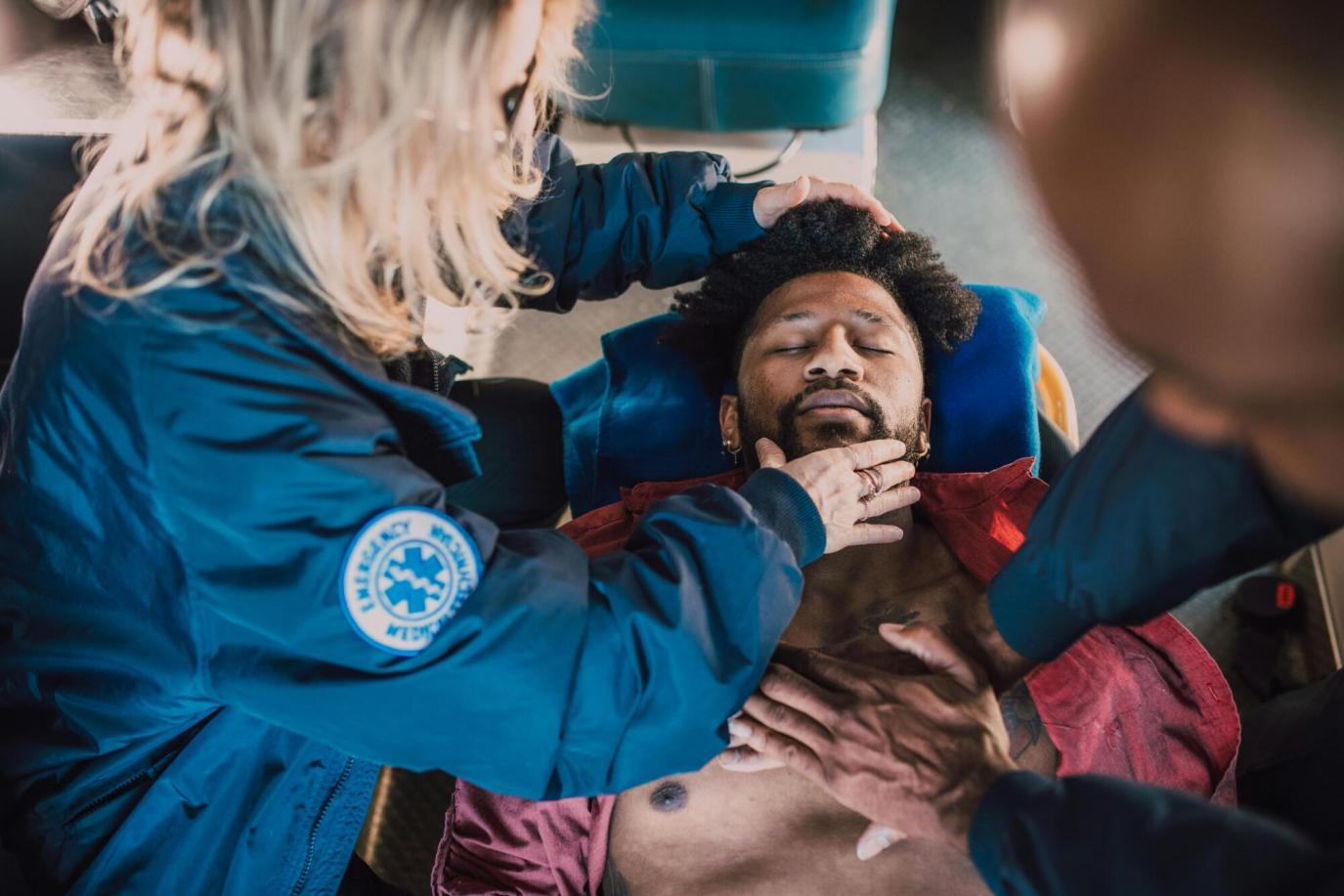
Participants learn how to check breathing and pulse. They practice chest compressions and rescue techniques to help maintain blood flow and oxygen. Many courses include instruction on CPR/AED use to assist someone experiencing sudden cardiac arrest.
Hands-on practice is an important part of training. Repeating the steps helps build muscle memory. This makes it easier to respond correctly in a real emergency.
Bleeding Control
Heavy bleeding can become dangerous in a short time. Training teaches how to apply steady pressure and use clean materials to cover a wound.
Participants may also learn how to use a tourniquet in severe cases. Knowing how to control bleeding can prevent shock and reduce further harm before paramedics arrive.
Choking Response
Choking can happen during meals or when a small object blocks the airway. Training explains how to recognise the signs of choking and how to perform safe techniques to clear the blockage. Quick action can restore normal breathing and prevent serious injury.
Basic First Aid
Emergency response courses also cover common injuries such as burns, sprains, and minor fractures. Participants learn how to clean wounds, apply bandages, and keep the injured person comfortable. These skills help reduce infection and support healing while waiting for medical care.
Building Confidence and Readiness
One of the main benefits of lifesaving emergency response skills training is confidence. Many people hesitate during emergencies because they are unsure what to do. Training provides clear instructions and supervised practice.
Participants also learn how to protect themselves while helping others. They are taught to check the area for hazards and use protective barriers when possible. Staying safe is always the first step.
Who Can Benefit From Training
Lifesaving emergency response skills training is valuable for nearly everyone. Parents, teachers, coaches, and office workers can all benefit. Many workplaces encourage employees to complete training as part of their safety programs.
Teenagers and young adults can also learn these skills. Early training builds awareness and responsibility. The knowledge gained can remain useful for many years.
Learn All About Lifesaving Emergency Response Skills
Lifesaving emergency response skills training provides practical knowledge that can protect lives. It teaches people how to recognise emergencies, act quickly, and give safe care. These simple skills can make a powerful difference in critical moments.
By taking the time to learn and practice, individuals become better prepared for unexpected situations. In an emergency, preparation and calm action can save a life.
Visit our blog for more!