1. Morning Routine
Starting your day with a blood pressure check is a smart move. Your body has gone through a natural cycle overnight, and this first reading gives you a baseline. It’s like getting a snapshot of your health before the day’s activities begin to influence your numbers. Consistency is key here; aim for the same time each morning.
Think about your typical morning. You wake up, maybe you stretch, and then you start your usual routine. It’s during this initial period, after you’ve been awake for a bit but before you’ve had breakfast or coffee, that you’ll get the most reliable reading. This timing helps avoid spikes caused by food or caffeine. Checking your blood pressure regularly in the morning helps you understand how your body functions naturally.
This morning check is more than just a number; it’s a piece of the puzzle. By tracking your blood pressure consistently, you’re building a picture of your health trends. This data is super helpful for you and your doctor. Remember, the goal is to get an accurate picture, so try to relax for a few minutes before you take the reading.
2. Before Breakfast
Checking your blood pressure before you eat is a smart move. Food and drinks, especially caffeine, can temporarily raise your blood pressure. Waiting until after breakfast means you might get a reading that’s higher than your usual baseline. This is why aiming for a reading before your morning meal helps paint a clearer picture of your typical blood pressure.
It’s best to take your reading about half an hour after waking up, but before you’ve had anything to eat or drink. This gives your body a chance to settle after sleep and avoids the immediate impact of digestion or stimulants. Consistent readings before breakfast can help you and your doctor understand how your body functions without external influences.
Remember, consistency is key when monitoring your blood pressure. By taking your reading at the same time each day, before breakfast, you create a reliable data point. This helps in tracking trends and assessing the effectiveness of any lifestyle changes or medications over time. This consistent approach to checking your blood pressure is a simple yet effective way to stay informed about your cardiovascular health.
3. Before Morning Coffee
Many people start their day with a cup of coffee. It’s a ritual that helps many wake up and get going. However, if you’re monitoring your blood pressure, it’s best to hold off on that morning brew. Caffeine is a known stimulant, and it can temporarily raise your blood pressure. To get the most accurate reading, aim to check your blood pressure before you have your coffee.
This timing is important because you want to see your baseline numbers without the influence of external factors. Coffee can affect your reading, making it seem higher than it actually is. Waiting at least 30 minutes after consuming caffeine before taking a measurement is a good rule of thumb. This allows your body time to process the caffeine and for its effects to subside.
Checking your blood pressure before your morning coffee helps ensure a more reliable measurement. It’s a simple adjustment that can make a difference in understanding your true blood pressure trends.
4. After Brushing Teeth
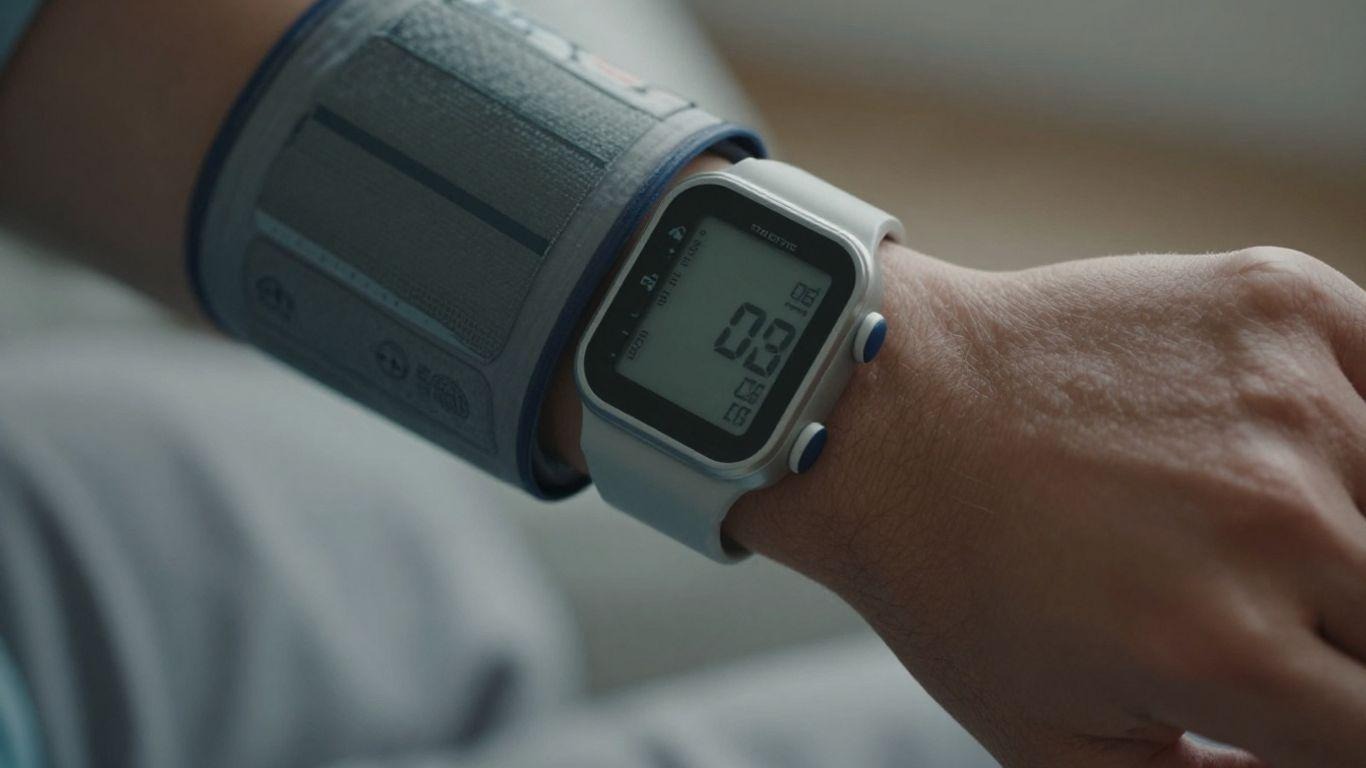
Right after brushing teeth is an ideal moment to check blood pressure with a blood pressure watch. At this point in the morning, most people haven’t eaten, had coffee, or done anything to push their blood pressure up. Measuring your numbers at this time gives a true baseline before everyday stimulants kick in.
There’s a sweet spot after brushing teeth. The body is calm, and routines haven’t ramped up yet. If you wait until after breakfast or coffee, food and caffeine can drive readings higher than they actually are. This makes after brushing teeth the perfect checkpoint for your blood pressure watch.
Before you strap on your blood pressure watch, make sure you:
- Sit quietly for five minutes
- Rest your arm at heart level
- Relax and don’t talk while measuring
Checking after brushing teeth gives the clearest view of your real morning numbers—no coffee, no food, just an honest snapshot.
5. After Showering
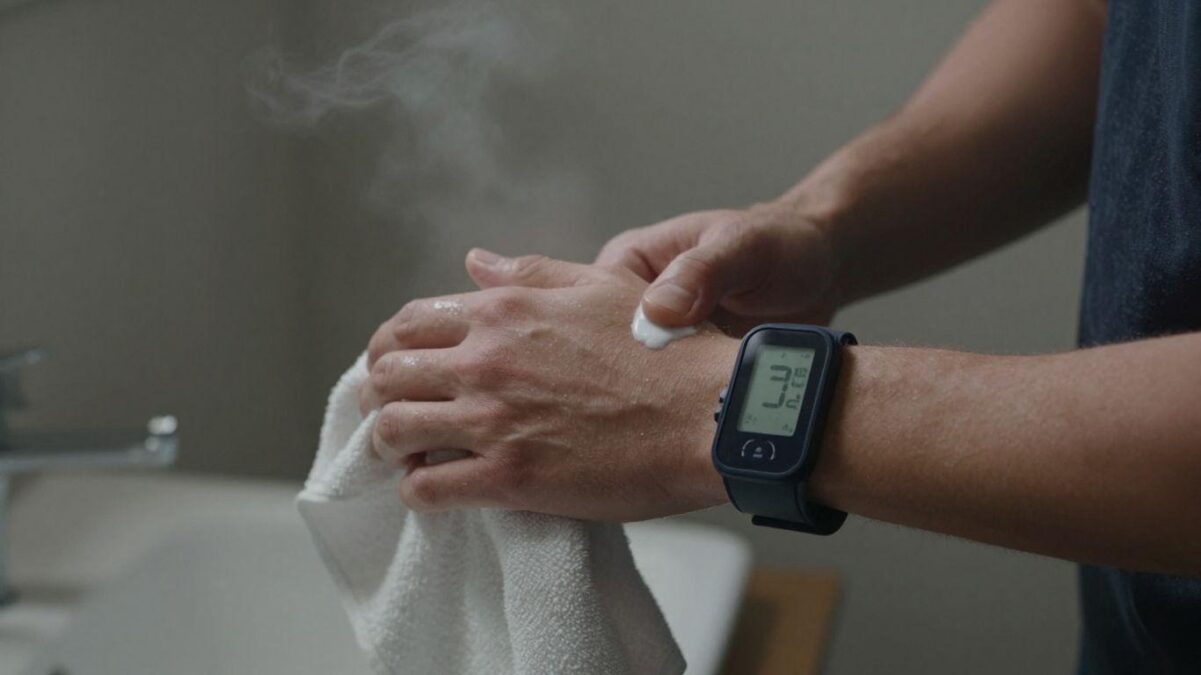
After you’ve finished your shower, it’s a good time to check your blood pressure. Give yourself about half an hour to relax and let your body return to a normal temperature. A hot shower can temporarily affect your readings, so waiting is key.
This waiting period is important for an accurate blood pressure measurement. It allows your body to stabilize after the change in temperature and activity. Think of it as a brief cool-down period before you get to the numbers.
Remember, consistency is important. Try to make this a regular part of your routine after showering, if possible. This helps in tracking your blood pressure trends over time.
6. After Getting Dressed
Once you’re all dressed for the day, it’s a good time to check your blood pressure. This step comes after you’ve completed your morning routine, including showering and putting on your clothes. It’s important to have a consistent routine for taking your blood pressure, and fitting it in after you’re dressed helps maintain that consistency.
This timing allows for a more stable reading, as the immediate effects of showering or dressing are less likely to influence the numbers. Remember, your blood pressure can change based on various activities. By the time you’re dressed, you’ve likely settled a bit from the initial rush of waking up and getting ready.
Make sure you’re sitting comfortably with your feet flat on the floor and your arm supported at heart level. Avoid talking or moving during the measurement. Taking your blood pressure after getting dressed is a solid part of a reliable morning check-in.
7. Before Leaving For Work
Before you head out the door for the day, taking a moment to check your blood pressure can be really helpful. It gives you a baseline reading for the day, right before the hustle and bustle of work begins.
This reading can show how your body is doing before external factors like stress or physical activity start to influence it. It’s a good idea to have a quiet five minutes before you take the measurement. Make sure you’re sitting comfortably, with your feet flat on the floor and your arm supported at heart level. This helps ensure you get an accurate number.
Remember, consistency is key. Checking your blood pressure before leaving for work at roughly the same time each day helps you spot trends. This consistent habit is important for understanding your personal blood pressure patterns.
8. Upon Arriving Home From Work
After a long day, the transition from work to home can bring about changes in your body. It’s a good time to check in with your blood pressure. This reading can show how your daily activities and stress levels might be affecting your numbers.
Taking your blood pressure upon arriving home from work provides a snapshot of your body’s response to the day’s events. It’s a moment when you’re likely to be less active than during the workday but before you’ve settled in for the evening. This specific time helps you understand the cumulative effect of your day on your cardiovascular system.
Consider this reading as part of your routine. By consistently checking your blood pressure at this time, you build a more complete picture of your health trends. It’s a simple yet effective way to stay informed about your body’s signals.
9. Before Bedtime
Checking your blood pressure before you turn in for the night is a smart move. It gives you a look at your numbers when your body is winding down. This is especially helpful if you’re on medication. Taking your blood pressure before your evening dose helps show how well the medicine is working throughout the day.
Your body has natural rhythms, and your blood pressure follows them. Normally, it dips lower when you sleep. For some people, this dip doesn’t happen, which is called non-dipping. This can be linked to bigger health issues down the line. Monitoring your blood pressure at bedtime can help spot this pattern.
Aim for consistency with your bedtime readings. Try to take them around the same time each night. This helps make sure your numbers are comparable and gives your doctor a clearer picture of your health trends. It’s a simple step that can provide a lot of useful information about your blood pressure.
10. Before Medication Dose
It’s a good idea to check your blood pressure right before you take your daily medication. This gives you a clear picture of your baseline reading without the immediate influence of the drug. This timing helps you and your doctor understand how effective your current dosage is.
Taking a reading just before your dose is important for a few reasons. It shows what your blood pressure is doing naturally at that specific point in the day. This information is super helpful when discussing your treatment plan. You want to know if the medication is keeping your numbers in the target range between doses. This helps determine if the medication timing or amount needs tweaking.
Remember, consistency is key. Try to take this reading around the same time each day, just before your scheduled dose. This makes your readings comparable over time. If you notice significant changes or are concerned about your numbers, always chat with your healthcare provider. They can help interpret your readings and make any necessary adjustments to your treatment.
Wrapping Up Your Blood Pressure Checks
So, keeping tabs on your blood pressure with a watch or monitor is a smart move for staying on top of your health. Remember, consistency is key. Try to check around the same times each day, especially if you’re on medication, and always give yourself a few minutes to relax before you take a reading. Avoid things like caffeine, smoking, or heavy meals right before, as they can throw off your numbers. It’s not about getting perfect readings every single time, but about building a clear picture over time. This information, when shared with your doctor, can really help them understand what’s going on and make sure you’re getting the best care possible. Just stick with it, and you’ll be doing a great job looking after your heart.