
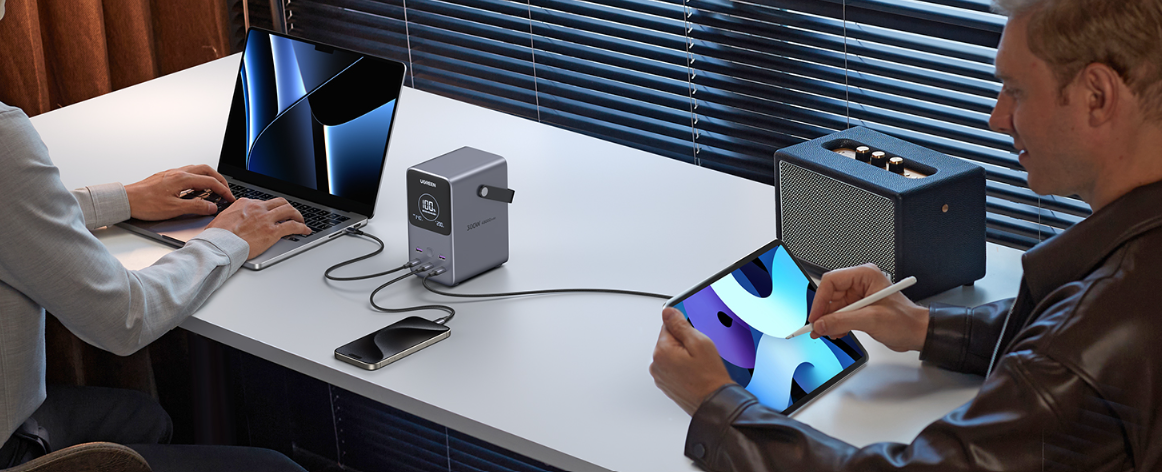
power banks are generally safe to use every day, and for many people they have become as essential as wall chargers. The real issue is not daily use itself, but how you use a power bank and which one you choose. Problems usually come from overheating, poor battery quality, or unsafe charging habits — not from frequency.
Understanding how power banks work and what affects their safety can help you use them confidently, whether you rely on one occasionally or every single day.
Is It Safe to Use a Power Bank Every Day?
Before diving into technical details, it’s important to address the main concern directly. Modern power banks are designed for repeated, everyday use and include multiple layers of protection to prevent damage.
As long as you’re using a certified product, daily charging with a power bank is no more dangerous than charging from a wall outlet. In fact, a best power bank from a reputable brand often delivers power just as steadily as a standard fast charger.
What Makes Power Banks Safe (or Unsafe)?
Not all power banks are created equal. Their safety depends on internal components, design quality, and compliance with international standards.
Battery Cell Quality (Lithium-ion vs Lithium-polymer)
Most power banks use lithium-ion or lithium-polymer batteries. Lithium-polymer cells are generally thinner, lighter, and more resistant to swelling, making them a popular choice in premium models. Cheaper power banks may use recycled or low-grade cells, which increases the risk of overheating and capacity loss.
Built-in Safety Protections
High-quality power banks include essential safeguards such as overcharge protection, overcurrent protection, short-circuit prevention, and temperature monitoring. These systems automatically stop power flow when something goes wrong, which is why certified models are far safer for daily use.
Brand Certification and Compliance
Look for certifications like CE, FCC, RoHS, and UN38.3. These indicate that the power bank has passed safety and transport tests. Certification matters more than advertised capacity — a smaller certified unit is safer than an unverified high-capacity one.
Can Daily Use of a Power Bank Damage Your Phone Battery?
This is a common worry, especially among heavy smartphone users. The good news is that using a power bank every day does not directly harm your phone’s battery.
Battery wear depends mainly on heat and charging patterns. If your power bank delivers stable voltage — similar to a wall fast charger — your phone’s internal battery management system controls the charging process. Problems arise when users charge in hot environments, use unstable cables, or rely on poorly regulated power output.
Common Risks of Using Power Banks Every Day
While daily use is safe, certain habits can increase long-term risk. Understanding these risks helps you avoid them entirely.
Overheating During Charging
Heat is the biggest enemy of lithium batteries. Charging your phone inside a bag, under a pillow, or in direct sunlight can trap heat and accelerate battery aging.
Using Cheap or Counterfeit Power Banks
Most power bank explosion stories trace back to counterfeit or ultra-cheap products without proper protection circuits. These are not designed for continuous daily use.
Physical Damage and Aging Batteries
Drops, crushed casings, or swollen batteries are warning signs. Once a power bank shows physical damage, it should be replaced immediately.
Best Practices for Using a Power Bank Daily (Safely)
Safe daily use comes down to a few smart habits. These best practices dramatically reduce risk while extending battery lifespan.
Use Certified, High-Quality Power Banks
Choose a Best Power Bank from a trusted manufacturer, even if it costs slightly more. Quality control and safety features are worth it.
Avoid Charging While the Power Bank Is Overheating
If your power bank feels hot, unplug it and let it cool. Heat buildup is often caused by poor ventilation or simultaneous fast charging and discharging.
Don’t Fully Drain or Overcharge Frequently
Keeping power banks between 20% and 80% charge helps preserve battery health, especially for daily users.
Store Power Banks Properly When Not in Use
For long-term storage, keep your power bank at around 40–60% charge in a cool, dry place. Avoid leaving it fully charged for months.
How Often Should You Replace a Power Bank?
Even with perfect care, power banks don’t last forever. Most are rated for 300–500 charge cycles, which translates to about two to three years of regular use.
Signs it’s time to replace your power bank include rapid capacity loss, slower charging speeds, unusual heat, or visible swelling.
Are Power Banks Safe to Use Overnight or While Sleeping?
Technically, modern power banks are designed to stop charging once devices reach full capacity. However, overnight charging increases heat exposure time.
If you must charge overnight, place the power bank on a hard, open surface and avoid covering it. For safer long-term use, unplug once charging is complete.
Final Verdict: Is It OK to Use a Power Bank Every Day?
Yes — using a power bank every day is safe when done correctly. Choose a certified model, manage heat, and follow healthy charging habits. A well-designed power bank paired with a quality fast charger can be just as reliable as a wall outlet.
For users who travel frequently or rely on multiple devices, combining a reliable power bank with the best USB hub can further simplify charging and power management — all without compromising safety.