In the fast-paced foodservice industry, managing inventory is a constant challenge. Restaurant chains often struggle with fluctuating food costs, unpredictable demand, and operational disruptions. Traditional methods that rely on manual counts and spreadsheets are time-consuming and prone to human error, leading to unexpected shortages, unnecessary waste, and inflated costs.
A simple miscount or a delayed update can throw inventory levels off significantly. This results in reactive decision-making, where managers are left scrambling to address problems rather than preventing them. Modern technology offers a solution by shifting restaurants from reactive management to a proactive, data-driven strategy, with mobile scanning at its core.
Enhancing Efficiency in Supplier Receiving
The receiving dock is the first point of control in the restaurant supply chain. Manual processes, such as checking paper invoices against delivered goods, are slow and often inaccurate. This can lead to accepting incorrect quantities or missing items, creating discrepancies that ripple through the entire inventory system.
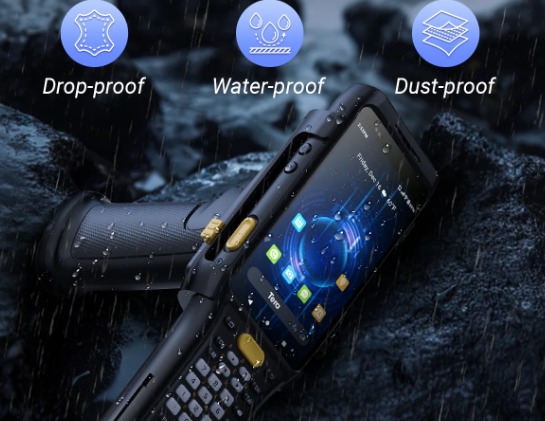
Mobile scanning technology transforms this critical process. When a delivery arrives, staff can use handheld scanners to scan barcodes or QR codes on each case of ingredients. The system instantly logs the items into the inventory, cross-referencing them with the original purchase order. Any discrepancies, such as missing items or incorrect quantities, are flagged immediately for resolution with the supplier. This automation dramatically reduces receiving times and eliminates transcription errors.
Achieving Real-Time Ingredient Traceability
Effective inventory management relies on knowing exactly what you have in stock at any given moment. Outdated methods like weekly stocktakes provide a snapshot that is often inaccurate by the time it is compiled. Real-time traceability provides constant visibility, empowering smarter operational decisions.
From Manual Counts to Live Inventory Data
Automated systems provide a live, perpetual inventory count. A key component is integration with the restaurant’s Point-of-Sale (POS) system. When a customer orders a dish, the software automatically deducts the corresponding ingredients from the inventory. This seamless connection ensures that stock levels are always current, eliminating the guesswork associated with manual tracking.
Improving Food Safety and Ingredient Management
Traceability extends beyond simple quantity tracking. Mobile scanning allows for the capture of crucial data like batch numbers and expiration dates upon receipt. This information is vital for managing perishable goods effectively and adhering to food safety standards.
By tracking this data, restaurants can easily implement the First-In, First-Out (FIFO) method, ensuring that older stock is used before it expires. This practice minimizes spoilage and ensures that customers are served the freshest possible ingredients. In the event of a product recall, scanning technology allows managers to quickly identify and isolate affected batches, protecting both customers and the business.
Gaining Control Over Operational Costs
For any restaurant chain, controlling costs is essential for profitability. Inventory represents a significant financial investment, and any inefficiency directly impacts the bottom line. Mobile scanning and real-time data provide the tools needed to tighten control over food costs and reduce waste.
Reducing Food Waste Through Data
Accurate, real-time data helps identify the root causes of food waste. Inventory management systems can send automated alerts for items approaching their expiration date, prompting kitchen staff to use them before they spoil. Studies show that restaurants using such systems can reduce food costs by an average of 4-5% simply by minimizing waste.
Furthermore, these systems gather historical sales and usage data, enabling more accurate demand forecasting. By predicting which items will be popular during certain times, restaurants can avoid over-ordering perishable ingredients that are likely to go unused.
Optimizing Procurement and Ordering
Data-driven insights transform the purchasing process. Instead of relying on estimates, managers can use system-generated reports that track usage patterns and suggest precise reorder quantities. This helps maintain optimal stock levels, preventing both costly overstocking and service-disrupting stockouts. Automated ordering reduces the administrative burden and minimizes the risk of human error in procurement.
The Impact of Mobile Technology on Staff and Operations
Introducing new technology can seem daunting, but modern inventory systems are designed for ease of use in busy kitchen environments. The shift to mobile scanning empowers staff, improves productivity, and enhances accountability across the organization.
Boosting Productivity and Accountability
By automating tedious tasks, mobile scanning frees up employees from hours of manual counting and data entry. This allows them to focus on higher-value activities such as food preparation, customer service, and maintaining kitchen cleanliness. Staff can manage inventory in seconds using mobile computers, which reduces errors and frees up hours each week.
Since the system tracks every stock movement, a layer of accountability is introduced. Discrepancies are flagged in real-time, encouraging staff to follow standard operating procedures and reducing the risk of shrinkage or employee theft, which can account for 3-4% of a restaurant’s sales.
Simplifying Implementation and Daily Use
Modern inventory platforms are often cloud-based and accessible via intuitive mobile apps. This minimizes the need for expensive hardware and extensive training. With guided onboarding and user-friendly interfaces, staff with varying levels of tech experience can quickly adapt to the new workflows without disrupting daily service.
By embracing mobile scanning technology, restaurant chains can build a more resilient, efficient, and profitable supply chain. The ability to track ingredients from receiving to sale provides unparalleled control, turning inventory from a daily headache into a strategic competitive advantage.