
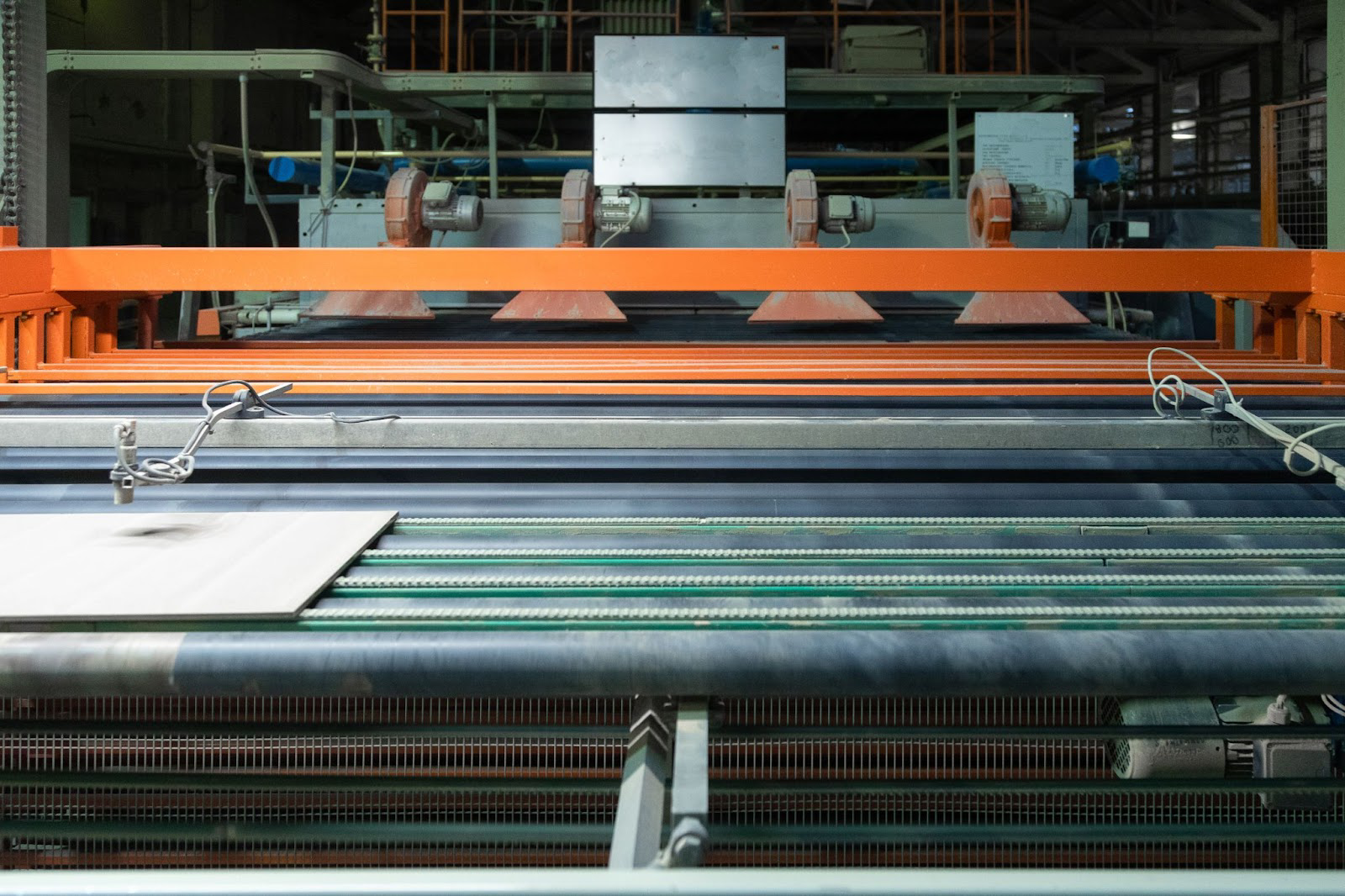
Sheet metal processing is a big part of making parts for cars, appliances, electronics, construction, and more. To turn flat metal sheets into useful products, shops use different machines for cutting, bending, punching, forming, and finishing. Each machine does a specific job, and picking the right ones helps get clean results, save time, and cut costs.
In this article, we will go over the most common types of sheet metal processing machines. We will explain how they work, what they are good for, and where they get used the most. This will help you understand which machines fit different jobs in a shop.
Cutting Machines
Cutting is usually the first step in sheet metal work. You need to cut large sheets into smaller pieces or shapes before bending or forming them.
Shearing Machines
Shearing machines use sharp blades to cut straight lines through metal sheets, like a big pair of scissors. They are fast for straight cuts and work well on thin to medium-thick sheets (up to about 25 mm). Hydraulic shearing machines are common because they handle thicker materials and give clean edges without much burr.
Applications: Making blanks for panels, doors, brackets, and frames in automotive and appliance manufacturing.
Laser Cutting Machines
Laser cutting uses a focused laser beam to melt or vaporize metal along a path controlled by CNC. It gives very precise cuts, smooth edges, and can handle complex shapes, holes, and fine details. Fiber lasers are popular now for cutting steel, stainless, aluminum, and even reflective metals.
Applications: High-precision parts for electronics, medical devices, signs, and custom enclosures. Great for small to medium batches.
Plasma Cutting Machines
Plasma cutters use a hot ionized gas to cut through electrically conductive metals. They are fast and good for thicker plates (up to 50 mm or more). They leave some edge roughness but are cheaper than lasers for heavy work.
Applications: Structural steel, heavy machinery parts, and outdoor signs in construction and shipbuilding.
Waterjet Cutting Machines
Waterjets shoot high-pressure water mixed with abrasive to cut almost any material without heat. No heat means no warping or hardening of edges. They cut thick materials and can do very detailed work.
Applications: Aerospace parts, stone inlays with metal, and heat-sensitive jobs.
Bending and Forming Machines
After cutting, you often need to bend or shape the metal.
Press Brakes
Press brakes are the most common bending machines. They use a punch and die to bend sheet metal at specific angles. Hydraulic press brakes are strong and versatile, while electric or CNC versions give better accuracy and speed.
Applications: Making boxes, brackets, cabinets, and chassis in almost every sheet metal shop.
Folding Machines
Folding machines (or pan brake folders) clamp the sheet and fold it up along an edge. They are good for making boxes, trays, and panels with multiple bends. Automatic panel benders are faster and more precise for high-volume work.
Applications: HVAC ducts, electrical enclosures, and architectural panels.
Roll Bending Machines (Plate Rollers)
Roll bending machines use three or four rollers to curve sheets into cylinders, cones, or arcs. They work well for large-radius bends.
Applications: Tanks, pipes, cylinders, and curved architectural elements.
Punching and Stamping Machines
These machines make holes, slots, or shapes by punching through the metal.
Turret Punch Presses
Turret punch presses have many tools in a rotating head. They punch holes, notches, and forms quickly. CNC versions handle complex patterns and high speeds.
Applications: Making vents, grilles, racks, and perforated sheets for electronics and furniture.
Power Presses
Power presses use dies to stamp, blank, or form parts in one stroke. They are good for high-volume production.
Applications: Automotive body parts, appliance components, and hardware.
Other Important Machines
Welding Machines
After forming, parts often need to be joined. MIG, TIG, spot, and robotic welders are common for sheet metal.
Applications: Assembling frames, enclosures, and structures.
Deburring and Finishing Machines
These remove sharp edges, burrs, or add surface finishes. Belt grinders, vibratory finishers, and brush machines help.
Applications: Preparing parts for painting or assembly.
How to Choose the Right Machines
Think about your material (steel, aluminum, stainless), thickness, part size, and volume. For precision and variety, go with CNC laser cutting and CNC press brakes. For heavy work, hydraulic shearing and press brakes are reliable. Small shops might start with manual or basic hydraulic machines, while big factories use full automation.
Modern machines with CNC controls save time, reduce errors, and allow quick job changes. They also connect to software for better planning.
For reliable sheet metal processing machines and options, you can visit https://miharmle-cnc.com/.
Final Thoughts
Sheet metal processing machines cover everything from cutting flat sheets to bending, punching, and finishing them into final products. The main types are cutting machines (shear, laser, plasma, waterjet), bending machines (press brakes, folders, rollers), and punching/stamping machines.
Each machine fits specific needs: lasers for detail work, press brakes for bends, and punches for holes. Using the right combination helps shops make better parts faster and with less waste.
Whether you run a small job shop or a large factory, knowing these common machines helps you plan equipment more effectively and improve your work.