
Floor cleaning has come a long way from simple brooms and traditional mops. As homes become smarter and routines become faster, so do the tools we use to maintain them. One of the most impressive innovations in this space is the rise of vacuum mops, blending suction and mopping into a single, efficient system.
Behind the simplicity of use lies a complex set of technologies that work together to deliver powerful results. In this article, we explore how vacuum mops work, what makes them smart, and why they’re becoming the preferred solution for modern floor care.
The Concept Behind Vacuum Mops
Vacuum mops are built around one key idea: combining dry and wet cleaning in a single pass. Instead of vacuuming first and then mopping later, users can tackle both tasks at once.
The core function involves two simultaneous systems:
- Vacuum suction to lift dust, hair, and debris.
- Mopping action to scrub and clean the floor using water or cleaning solution.
This dual mechanism allows users to remove both dry particles and sticky messes efficiently, with less effort and time required.
Key Components That Power the System
1. Dual Tank Design
Most vacuum mops are built with separate tanks—one for clean water, and one for dirty water. This separation ensures that only fresh water touches the floor while used water is safely collected.
This design improves hygiene by preventing the spread of dirt and bacteria across surfaces, a common issue with traditional mops.
2. Precision Water Control
Smart floor care means controlling water flow with accuracy. Vacuum mops use sensors or control systems to apply just the right amount of moisture. This protects sensitive flooring like hardwood from over-wetting while ensuring tough spots get the moisture they need.
Some systems even offer user-controlled water levels depending on the task.
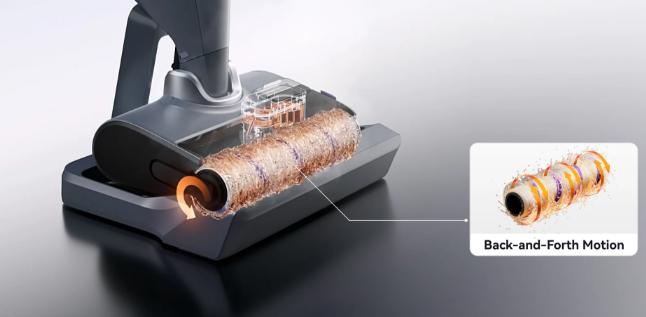
3. Motorized Roller Brushes
Unlike traditional mops that rely on manual scrubbing, vacuum mops use powered rollers or brushes to agitate dirt. These brushes spin or move back and forth to lift grime from the floor, including dried stains or fine particles.
The result is a deeper clean with far less physical effort.
Intelligent Sensing and Adaptive Features
What sets modern vacuum mops apart is their smart functionality. Some models include sensors that detect floor type or dirt levels, automatically adjusting suction and water output.
In high-traffic areas, more power is applied. On delicate floors, the system softens its approach. This adaptability allows for consistent performance across various surfaces.
Real-Time Debris and Moisture Management
1. Suction and Separation
As the vacuum pulls in debris, it separates solid waste from liquids. Solid dirt is trapped in a filter or bin, while dirty water flows into its own compartment. This system maintains efficiency while reducing clogging or contamination.
2. Floor Drying Features
Some vacuum mops include quick-dry features to reduce moisture left on the floor. This means you don’t have to wait long after cleaning, reducing the risk of slipping or tracking dirt across wet surfaces.
Smart User Interfaces
Many vacuum mops now include LED displays or touch controls that show real-time information. These displays may indicate:
- Tank levels
- Battery life
- Cleaning modes
- Error alerts (e.g. clogged brush or full tank)
This feedback loop improves usability and ensures the machine performs at its best without guesswork.
Maintenance Made Simple
Smart cleaning doesn’t stop with the floor—it extends to the device itself. Some vacuum mops feature self-cleaning brush rollers or automatic rinsing systems. With the press of a button, the machine flushes out debris and prepares for the next use.
This automation encourages users to maintain their equipment more regularly, which helps preserve performance over time.
Energy Efficiency and Eco Considerations
Compared to traditional methods that waste water and require chemical cleaners, vacuum mops are designed with efficiency in mind. Most use controlled water dispersion and reusable filters.
Even though they are powered devices, they often consume less overall energy and produce less waste over time. This makes them a more sustainable option for routine and deep floor care.
Why Technology Matters in Floor Care
The true value of vacuum mop technology lies in what it enables: faster results, cleaner surfaces, and a healthier environment with less effort. By automating the most tedious parts of cleaning, these tools free up time for other things—without compromising hygiene.
Whether you’re cleaning up after kids, pets, or daily foot traffic, a smart floor care system can turn a once-dreaded chore into a manageable routine.
Bridging the Gap Between Manual and Fully Automated Cleaning
While robot vacuums focus on autonomy, vacuum mops bridge the gap between full automation and user control. They still allow human oversight, which is important for targeted cleaning, but they dramatically reduce the labor involved.
This makes them ideal for users who want a hands-on solution without the hassle of traditional tools.
From Convenience to Necessity
With so many features working together—smart sensors, water control, motorized scrubbing, and real-time feedback—it’s easy to see why more homes are switching to advanced tools like the wet dry vacuum.
They’re not just convenient—they’re becoming essential for anyone who wants a smarter, more efficient way to care for their floors.
Conclusion
Vacuum mops represent a significant leap forward in floor care technology. With integrated systems that manage dirt, water, and cleaning power in real time, they simplify even the toughest jobs.
The technology behind these tools continues to improve, offering homeowners better control, improved hygiene, and noticeable results with less work. As smart home solutions become more common, vacuum mops are setting the standard for what modern floor cleaning should look like.